
Child Education
Literacy in India
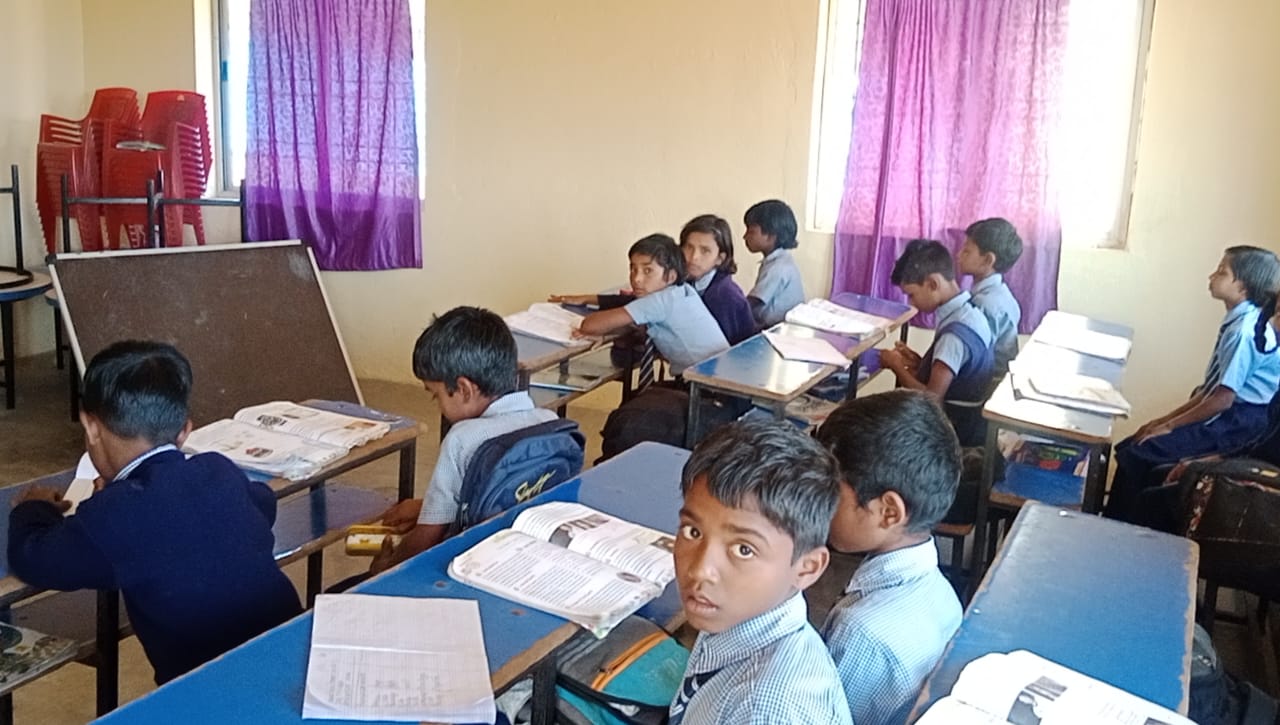
Our Response
The male literacy rate of India in 2023 is 84.7% and female it is 70.3%. The gap between the literacy rates of males and females remains grave. Girls dropping out of schools increased due to economic difficulties. With the launch of many female literacy campaigns, the gender gap could narrow in the coming years.
The literacy rate is 87.7% in urban places and 73.5% in rural.(The Global Statistics 2023)
Concentrating our attention on two of the worst states for literacy we have setup schools in both Jharkhand and Orissa.
We are operating to standards set by Central Indian Government Education and Childcare Legislation. We work in collaboration with Education Officials, Inspectors and the local and national Police force.
The core child protection legislation for children is enshrined in four main laws:
The Juvenile Justice (Care and Protection) Act (2000, amended in 2015)
The Prohibition of Child Marriage Act (2006)
The Protection of Children from Sexual Offences Act (2012)
The Child Labour (Prohibition and Regulation) Act (1986, amended in 2016).
We have four schools and one Industrial training institute, in operation at the present time. Details below:
Orissa:
Divine Onkar Sewa Ashram -Total children in our care: 123
Address:
Godisahi, Bamphidi, Sankul, Keonjhar, Pin Code – 758043, Odisha
Onkar Industrial Training Institute, situated at the same site as the above school.
Divine Onkar mission provide India Government Standard skills training in the field of engineering at the Onkar Industrial Training Institute. Our young people have been successful in getting apprenticeships in International Organisations. We work in collaboration with employers to ensure that our young people have opportunities for a career which is will help them to become self-sufficient and provide for their families.
Divine Onkar Sewashram & Orphanage – Total children in our care: 148
We provide education, shelter, clothing and food our children. The school runs classes from 1st to 8th standard.
Address: Jadibil , Kendujiani , Karanjia ,Thakurmunda, Pin Code . 757037, Mayurbhanj, Odisha
We run classes from 1st to 10th.
Divine Onkar Mission High School –Total children in our care: 143
Address: Murramkala, Gosa, Ramgarh, Pin Code – 829122, Ranchi
Urugutu – School in a remote area in the jungle
Divine Onkar Mission School –Total children in our care: 55
Address: Gurgurchuwa, Urugutu, Thakurgaon, Ranchi, Jharkhand,
Pin Code – 835222
In the area of Ramgarh in Jharkhand, we provide education for approximately of 650 children in which 143 children are boarding at our Ashram where they receive food, shelter, clothing and care for their educational, psychological and social needs. We run classes from 1st to 12th standard.
We have setup a recently constructed High School which will provide education at higher level for more than 200 students from 16-18 years of age.